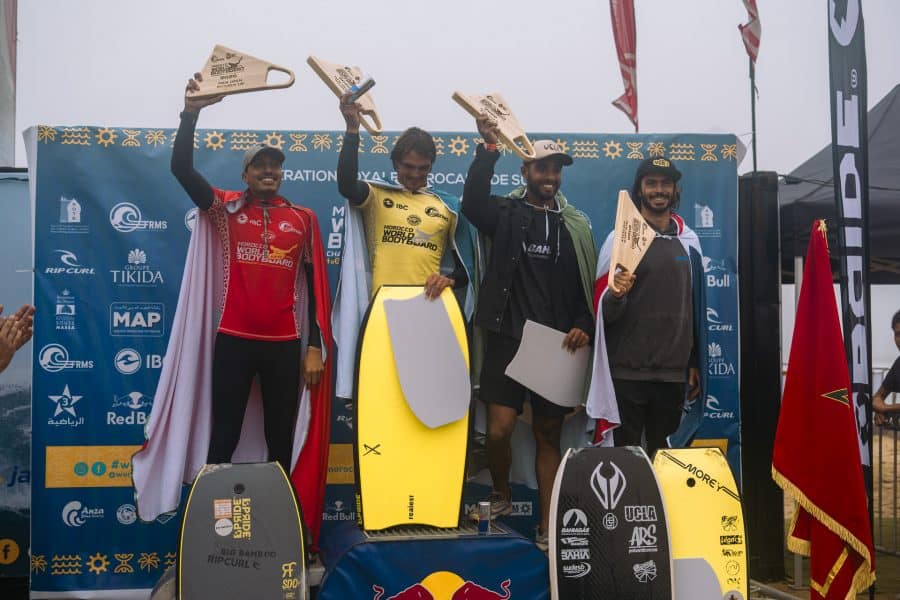
Morocco wasn’t just another tour stop — it was unfinished business. After twice falling short of the podium at Anza, he arrived this year with muscle memory locked in, mindset sharpened, and a quiet certainty that the recipe still worked. What followed was less about pressure and more about problem-solving: reading the shifting sandbanks, timing the soft ramps, and committing fully to the opportunities when they appeared. The win wasn’t a surprise — it was confirmation. A reminder that relentless preparation, belief in big airs, and staying true to your approach will always reconsider. From statement victory to the creative fire behind Westbound, this is a rider doubling down on who he is — and pushing the sport higher every time he leaves the sand.
Q1. Morocco felt like more than just another stop on tour — what did that win mean to you personally?
Morocco is an event I’ve always wanted to win. I’ve come so close to podiums twice. I’ve always struggled to get into rhythm at Anza — it’s a challenging wave. I trained really hard before coming here, trying to ride similar waves at home.
This win reminded me of who I am. The event wins I’ve had have only come because of all the hard work I’ve done. The recipe is there — I just need to keep following it.
Q2. Was there a specific moment during the event when you knew this one was yours?
Honestly, I don’t think you can ever be sure. There are so many variables. But I did know I was in rhythm. I felt confident that I wouldn’t mess up any opportunity — I just had to find them.
I shifted my entire mindset into solving the puzzle that is Anza Beach. I put all my focus into each heat, trying to figure it out one step at a time. It took the pressure off the competition and moved me into a pure focus state — analyzing the lineup and reacting.
Q3. You’ve called it a “statement victory.” What statement were you making — and to who?
It’s a statement to myself. It’s a reminder that staying true to what I believe in will always pay off. Whether it’s this year or the next, if you put in the hard work and keep showing up time and time again, it’s going to pay off.
Q4. How did the conditions in Morocco push or refine your approach in the water?
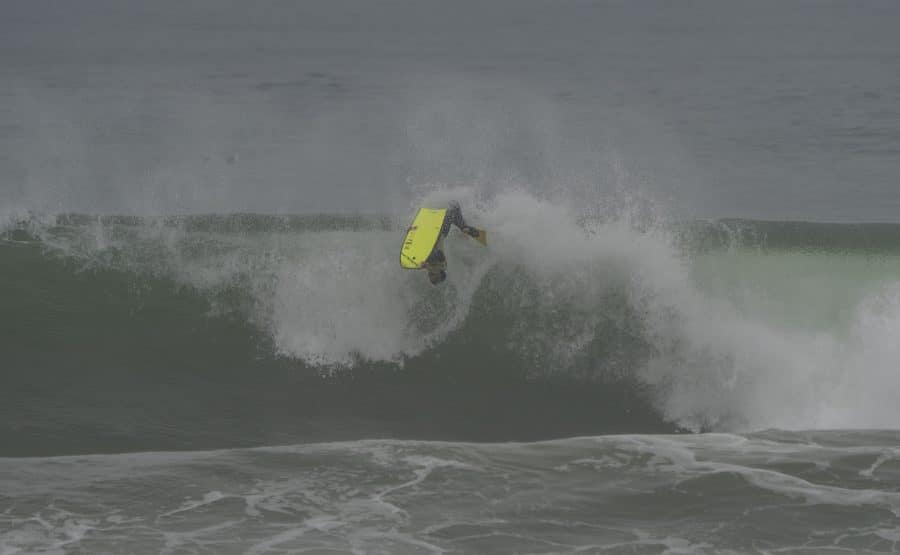
I saw it as a puzzle I needed to solve. The good waves shift constantly — every 30 minutes with the tide. I had to adapt strategy depending on those changes.
It’s one of the most challenging beach breaks I’ve ever surfed because it randomly meets patches of reef that create the ramps. You have to line up which sections are going to give you those opportunities. Timing is everything.
Q5. Do you see this win as a turning point in your career, or a confirmation of the direction you were already heading?
Definitely a confirmation.
You can work really hard in this sport and not see results — and then suddenly the stars align and you’re given opportunities. You just have to be 100% prepared for them.
Before Anza, I knew it would be forceful surfing. Everything would be forced. I needed to be sharp and make those efforts look easy, get maximum projection. Timing on this wave is more important than when you’re hitting a hollow, big ramp. It’s a softer, unpredictable ramp that you need to read perfectly.
In the days leading up to the event, I did so many backflips. I left home thinking that if I did one backflip in a heat and didn’t land it, I’d be so pissed off at myself. There was a session at Onrus Beach where I did 43 backflips. By the time I got to Morocco, the muscle memory was all there.
Q6 & Q7. What sparked Westbound — and what does it represent for you?
It was important for me. I really wanted to make people froth on doing big airs.
Sometimes we watch the tour in difficult conditions and forget what we should actually be doing with the sport. We need to keep raising the bar on big airs — that’s where we stand out as a sport. I’ll keep pushing that until my career comes to an end.
Q8. Does working on something creative like Westbound change the way you show up on tour?
It doesn’t change how I show up on tour because I know there’s free surfing and then there’s competition.
When I’m on tour, I have to be calculated and strategic. I use free surf trips and films like Westbound to truly let go and just express my riding.
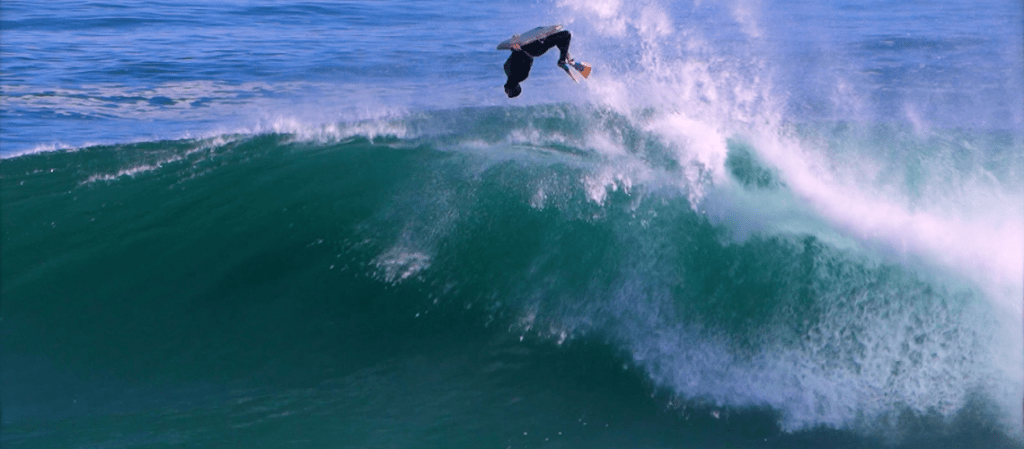
Q9. Is Westbound about creating a life beyond competition, or redefining what competition means to you?
It’s completely different. It’s where I get to remind people from time to time that I’m a rider who wants to do big airs.
Q10. If Morocco was just the beginning, what does the road ahead look like — both on tour and with Westbound?
The road looks like going back home, back to training, back to my routine — chasing world titles.
This event has come and gone. Now we start strategizing for the next one.
As for Westbound, I’m really looking forward to new projects. Those trips are some of the happiest moments for me. I love chasing good waves and big airs in my time away from tour.
Q11. You’re heading into the next events with serious momentum. How are you feeling?
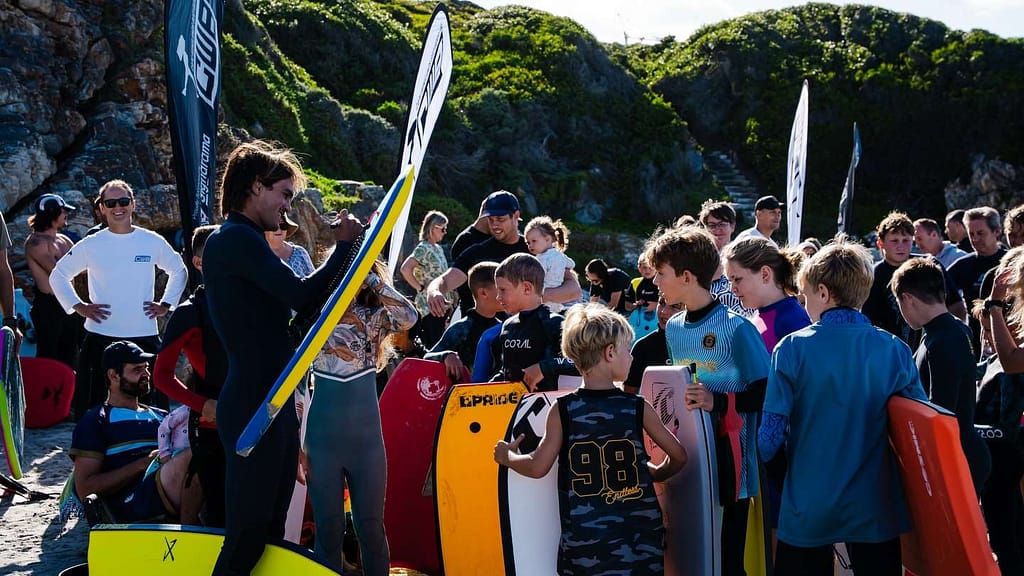
I’m excited. The vibes are always so good at these events. Most of the guys there have known me since I was a kid — they’ve watched me develop as a rider. I’ve got so much respect for them.
I like to use these events as a celebration of the sport — pushing it forward in the country, raising the stoke, and just having a good day of bodyboarding.
I’m frothing.